A reading guide for people in sport.
The recovery pitch gets no free pass at Pro IV Drip.
We put three questions to the recovery pitch: does it help, is it medically needed, and do the sport rules allow it?
Into the evidence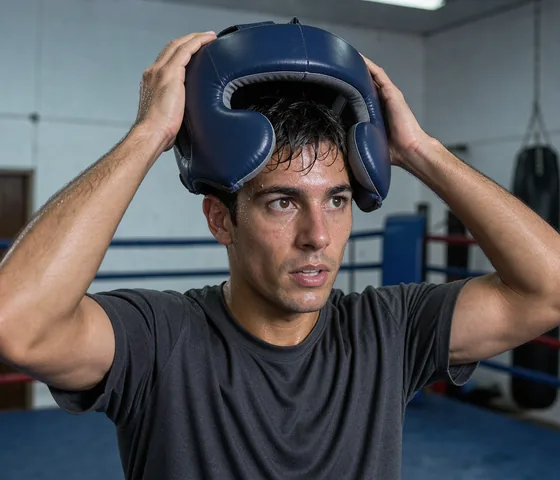

- Evidence What actually improved?
- Sport rules Does the rule allow it?
- Medical context Is there a medical need?
The round is over. The recovery claim still has to earn its place.
Recovery claims have to earn their place
The round ends. The headguard comes off. A quick fix sounds pretty good right now. We still want to know what a recovery drip would actually change.
An intravenous (IV) infusion puts fluid straight into a vein. That explains how it gets there. It doesn't tell you whether you'll recover better or perform better next time.
The National Athletic Trainers’ Association puts drinking fluids first for most exercise-related dehydration. Its guidance finds no lasting advantage from rapid IV rehydration over drinking. It also describes medical reasons for using IV fluids. Those aren't the same as wanting an extra edge.
We give a recovery claim a simple test: what improved, and compared with what? The evidence page takes that question further. A faster delivery route still needs to show a useful result.
2026 List · checked 27 October 2026
Sport puts a rule across the pitch
As of October 2026, athletes covered by the World Anti-Doping Agency's framework face its M2.2 rule on IV infusions and/or injections. It prohibits a combined volume of more than 100 mL per 12-hour period. The exceptions are those legitimately received during hospital treatments, surgical procedures or clinical diagnostic investigations (medical tests). M2.2, the rule in the 2026 Prohibited List, applies in and out of competition. Ask your sport authority which rules cover you.
The U.S. Anti-Doping Agency explains that small administrations count toward the same total. Permitted ingredients don't remove this rule. That volume is a sporting limit, not a safe treatment amount.
The ingredients need a separate check, even if the method qualifies for an exception. A therapeutic use exemption, or TUE, is anti-doping permission for medically needed prohibited treatment. Our rule page and medical-exceptions page explain the difference.
The medical question still comes first
IV fluids have medical uses, including serious dehydration. A treating clinician decides what fluid is needed and how much. A recovery slogan can't make that call.
In an emergency, treatment comes ahead of anti-doping paperwork. Keep the medical documents for the follow-up. The rules aren't a reason to delay urgent care.
The risks deserve more than small print
IV complications can include infection, vein inflammation (swelling and irritation) and fluid overload—more fluid than the body can safely handle. Cleveland Clinic also describes limited wellness evidence for IV vitamins and possible medicine interactions. Familiar ingredients don't settle the risk question.
Our service checks give you questions about assessment, ingredients and responsibility if something goes wrong. Take personal health questions to a licensed clinician and competition questions to your sport authority. We can help you sort the questions; those conversations supply the answers.